Die Stiftung
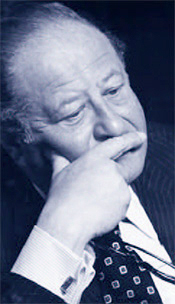
Zu seinem 65. Geburtstag verzichtete Bruno Kreisky auf Geschenke. Ein Kreis von FreundInnen und MitarbeiterInnen um den damaligen Wiener Bürgermeister Leopold Gratz und den Präsidenten des ÖGB, Anton Benya, entwickelte die Idee einer Stiftung für Verdienste um die Menschenrechte, die den Namen Kreiskys tragen sollte. Der damalige Finanzsekretär des ÖGB, Alfred Ströer, der während der NS-Zeit inhaftiert war, übernahm die Realisierung und Verwaltung dieses Projekts.
Mehr Informationen
Nachrichten
19. Verleihung des Bruno Kreisky Preis für Verdienste um die Menschenrechte
Die Bruno Kreisky Stiftung für Verdienste um die Menschenrechte hat am 23. Juni 2022 zum 19. Mal im Bruno Kreisky Forum für internationalen Dialog den nach dem ehemaligen Bundeskanzler Bruno Kreisky benannten, ältesten und renommierten Menschenrechtspreis in Österreich vergeben. Die Jury des Bruno Kreisky Preises für Verdienste um die Menschenrechte, zusammengesetzt aus unabhängigen Expertinnen und […]
Verleihung des Ehrenpreises 2019 an Michael Landau
Der Ehrenpreis der Bruno Kreisky Stiftung für Verdienste um die Menschenrechte wird seit 2007 für ganz besonderes Engagement und nachhaltige Verdienste zur Durchsetzung, Förderung und Weiterentwicklung der Menschenrechte verliehen. 2019 haben die unabhängige Jury und das Kuratorium der Bruno Kreisky Stiftung für Verdienste um die Menschenrechte einstimmig beschlossen, Michael Landau, den Präsidenten der Caritas in Österreich für seinen ganz besonderen Einsatz für die Menschenrechte mit dem Ehrenpreis der Bruno Kreisky Stiftung für die Verdienste um die Menschenrechte auszuzeichnen. Der Preis wurde am 21. Oktober 2019 im Ringturm in Wien vergeben.
Bruno Kreisky Preise für Verdienste um die Menschenrechte 2019
18. Verleihung der Bruno Kreisky Preise für Verdienste um die MenschenrechteKassensaal der Oesterreichischen nationalbank, Otto-Wagner-Platz 3, 1090 Wien 20. Mai 2019, 18.00 uhr Begrüßung:GouverneurUniv. Prof. Dr. Ewald NowotnyVorsitzender des Kuratoriums der Bruno Kreisky Stiftung für Verdienste um die Menschenrechte Die Preisträgerinnen und Preisträger 2019 in der Übersicht: Internationale Nominierung: Amal FathyMit Laudatio von Dr.in Gudrun […]
Die Bruno Kreisky Stiftung trauert um Kofi Anan und Uri Avnery, die knapp hintereinander am 18. bzw. am 20. August verstorben sind
Kofi Annan Geboren in Kumasi, Ghana, am 8.April 1938, studierte Annan an der Universität für Wissenschaft und Technologie in Kumasi und absolvierte sein Grundstudium der Wirtschaftswissenschaften am Macalester College in den Vereinigten Staaten im Jahre 1961. Von 1961 bis 1962 absolvierte er Studiengänge in Wirtschaftswissenschaften am Institut universitaire des hautes études internationales in Genf. Als […]
Ari Rath Preis für kritischen Journalismus
Wien (OTS) – Der „Ari Rath Preis für kritischen Journalismus“ wurde auf der Basis einer Privatinitiative eingerichtet, um im Sinne des im Jänner 2017 verstorbenen renommierten ehemaligen Chefredakteurs der Jerusalem Post Journalistinnen und Journalisten, auszuzeichnen, die sich in ihrer Arbeit um eine kritische und der Wahrung der Menschenrechte verpflichtete Berichterstattung über Flucht, Vertreibung und Asyl […]
Bruno Kreisky Preis für Verdienste um die Menschrechte geht an Asli Erdogan
Die internationale Jury des Bruno Kreisky Preises für Verdienste um die Menschenrechte hat den Bruno Kreisky Menschenrechts-Preis einstimmig an die türkische Autorin Aslı Erdoğan für ihre herausragenden Verdienste um die Sicherung der Menschenrechte verliehen. Der Bruno Kreisky Preis für Verdienste um die Menschenrechte wurde nach dem verstorbenen Bundeskanzler Österreichs Bruno Kreisky benannt und ist der […]
Aus The Daily Monitor – Addis Abéba – Saturday-Sunday June 29-30, 2013
Kreisky-Preis für in Syrien inhaftierten Reporter
11.06.13 Kreisky-Preis für inSyrieninhaftiertenReporter > KleineZeitungwww.kleinezeitung.at/nachrichten/politik/3330700/kreisky-preis-fuer-syrien-inhaftierten-reporter.story 1/1Zuletzt aktualisiert: 10.06.2013 um 07:26 Uhr Der Bruno-Kreisky-Preis für die Verdienste um die Menschenrechte geht heuer an densyrischen Journalisten und Aktivisten Mazen Darwish, der seit Februar 2012 vom Regimeunter Präsident Assad in Haft gehalten wird. Darwish werde geehrt, weil er sich fürPressefreiheit eingesetzt und auf das Verschwinden von Berichterstattern […]
Äthiopische Frauenrechtsaktivistin Gebre ausgezeichnet
11.06.13 ÄthiopischeFrauenrechtsaktivistinGebreausgezeichnet- dieStandard.at› Politikdiestandard.at/1369363188974/Aethiopische-Frauenrechtsaktivistin-Bogaletch-Gebre-ausgezeichnet 1/2© derStandard.at GmbH 2013 I hre Aufklärungsarbeit hat dazu beigetragen, dasssich die Zahl der beschnittenen Mädchen in Äthiopien stark verringerteWien – Die äthiopische Frauenrechtsaktivistin Bogaletch Gebre erhält den Bruno-KreiskyMenschenrechtspreis für ihre Arbeit gegen die Genitalbeschneidung in ihrem Heimatland. Durch ihrenEinsatz und die Arbeit ihrer Gruppe „Kembatti Mentti Gezzimma“ (KMG) konnte die […]
Kreisky-Menschenrechtspreis für in Syrien inhaftierten Journalisten
APA0020 / 10.06 Mo, 10.Jun 2013 Syrer Mazen Darwish für Einsatz um Pressefreiheit, Äthiopierin Bogaletch Gebre in Kampf gegen Genitalverstümmelung und Österreicherin Cecily Corti für Engagement für Obdachlosegeehrt Damaskus/Addis Abeba/Wien (APA) – Der Bruno-Kreisky-Preis für die Verdienste um die Menschenrechte geht heuer an den syrischen Journalisten und Aktivisten Mazen Darwish, der seit Februar 2012 vom […]
Kreisky-Preisträgerin: Kampf für Frauenrechte „noch nicht gewonnen“
APA Mo, 10.Jun 2013 Durch Engagement von Kreisky-Menschenrechtspreisträgerin Gebre weibliche Genitalverstümmelung in Äthiopien kaum mehrvorhanden Wien (APA) – Die äthiopische Frauenrechtsaktivistin Bogaletch Gebre wird am heutigen Montagabend für ihren Einsatz im Kampf gegen weibliche Genitalverstümmelung in ihrem Heimatland mit dem Bruno-Kreisky-Menschenrechtspreis geehrt. „Wir machen Fortschritte“, sagte sie der APA im Hinblick auf die globale und […]
Kreisky-Preise an Corti, Darwish und Gebre
Wiener Zeitung, 22.05.2013, 20:20 Uhr(http://www.wienerzeitung.at/nachrichten/oesterreich/politik/548119_Kreisky-Preise-an-Corti-Darwish-und-Gebre.html) Der Bruno-Kreisky-Preis für die Verdienste um die Menschenrechte geht heuer an den syrischen Journalisten und Aktivisten Mazen Darwish, der seit Februar 2012 vom Regime von Bashar al-Assad in Haft gehalten wird. Darwish werde auf Vorschlag der internationalen Preiskommission geehrt, weil er sich für Pressefreiheit eingesetzt und auf das Verschwinden von […]
Kreisky-Preis für West Eastern Orchestra
Das „West Eastern Divan Orchestra“ und drei Vereine, die Folter- und Kriegsüberlebende betreuen, haben am Freitagabend im Musikverein den Bruno-Kreisky-Preis für Verdienste um die Menschenrechte erhalten. Daniel Barenboim ist einer der Gründer des West Eastern Divan Orchestras. „Die Musiker haben es verdient“Dirigent Daniel Barenboim erhielt den Preis für die Gründung des West Eastern Divan Orchestras. […]
Bruno-Kreisky-Menschenrechtspreis an Daniel Barenboim
Für sein Engagement um Versöhnung im Nahost-Konflikt wurde der Bruno-Kreisky-Preis für Verdienste um die Menschenrechte am 20. Mai im Wiener Musikverein an Pianist und Dirigent Daniel Barenboim und das von ihm und dem palästinensischen Literaturwissenschaftler Edward Said gegründete West-Eastern Divan Orchestra verliehen, das aus jungen israelischen und palästinensischen Musikern besteht. Ferner werden die drei Hilfsorganisationen […]
Bruno-Kreisky-Preis – Prammer betont Stellenwert politischer Bildung im Kampf für Menschenrechte
Utl.: Verleihung des 14. Bruno-Kreisky-Preises für Verdienste um die Menschenrechte an ASPIS, ESRA, HEMAYAT, West-Eastern Divan Orchestra und Maestro Daniel Barenboim = Wien (OTS/SK) – Nationalratspräsidentin Barbara Prammer betonte bei der Verleihung des 14. Bruno Kreisky Preises für Verdienste um die Menschenrechte am Freitagabend den Stellenwert politischer Bildung im Kampf für Menschenrechte. „Mittlerweile wünschen sich […]
Bruno-Kreisky-Preis an Daniel Barenboim
Ein Brückenbauer für den Nahen OstenKaum hat sich Präsident Obama in Washington für einen Palästinenserstaat und die Festlegung der Grenzlinien von 1967 ausgesprochen, was der der israelische Ministerpräsident Benjamin Netanyahu prompt zurückgewiesen hat, wird einer der renommiertesten Künstler des internationalen Konzertbetriebs für seine Bemühungen um Frieden im Nahostkonflikt geehrt: Daniel Barenboim. Mittagsjournal, 20.05.2011 (Susanna Dal […]
Von Tag zu Tag
Freitag20. Mai 201114:05„Über den Umgang mit Trauma-Opfern“. Gast: Klaus Ottomeyer. Moderation: Rainer Rosenberg. Anrufe kostenlos aus ganz Österreich unter 0800 22 69 79Zu Gast bei Rainer Rosenberg ist Klaus Ottomeyer, Professor für Sozialpsychologie in Klagenfurt und Vorstand des unabhängigen Forschungs- und Beratungszentrums für Trauma-Opfer „Aspis“. Er nimmt für Aspis am Abend im Wiener Musikverein – […]
Kreisky-Preis für Barenboim und Opfer-Vereine
Foto © APA Drei Vereine, die sich der Betreuung von Folter- und Kriegsüberlebenden widmen sowie der Pianist und Dirigent Daniel Barenboim mit seinem West-Eastern Divan Orchestra werden heuer mit dem Bruno-Kreisky-Preis für die Verdienste um die Menschenrechte geehrt. Die weiteren Preisträger sind das psychosoziale Zentrum ESRA, der Verein ASPIS und der Verein HEMAYAT. Die Preise […]
Daniel Barenboim erhält Kreisky-Preis
News vom Donnerstag, 19.05.2011 Der Pianist und Dirigent Daniel Barenboim wird mit dem Bruno-Kreisky-Preis für die Verdienste um die Menschenrechte geehrt. Barenboim erhält die Auszeichnung für sein Engagement um die Versöhnung im Nahost-Konflikt. Gemeinsam mit dem in Palästina geborenen Literaturwissenschaftler Edward Said gründete Barenboim das West-Eastern Divan Orchestra, bestehend aus jungen israelischen und arabischen Musikern. […]
Kreisky-Preis für Barenboim und Opfer-Vereine
19. Mai 2011 | 08:20 | wien | |http://www.salzburg.com/SALZBURGER NACHRICHTEN Drei Vereine, die sich der Betreuung von Folter- und Kriegsüberlebenden widmen sowie der Pianist und Dirigent Daniel Barenboim mit seinem West-Eastern Divan Orchestra werden heuer mit dem Bruno-Kreisky-Preis für die Verdienste um die Menschenrechte geehrt.Die weiteren Preisträger sind das psychosoziale Zentrum ESRA, der Verein ASPIS […]
Im Gespräch
Donnerstag19. Mai 201121:00„Denn Sie töten den Geist nicht, Ihr Brüder und Schwestern“.Dr. Barbara Preitler – „Hemayat“, eine der Preisträger/innen des Bruno-Kreisky-Menschenrechtspreises 2011 im Gespräch mit Michael KerblerDas Betreuungszentrum für Folter- und Kriegsüberlebende, Hemayat, erhält in diesem Jahr gemeinsam mit der Kärntner Flüchtlingshilfe-Organisation ASPIS, dem psychosozialen Zentrum ESRA sowie dem von Daniel Barenboim gegründeten West-Eastern Divan […]
Aspis: Preis für Betreuung von Kriegsopfern
Der Kärntner Verein Aspis ist einer der Preisträger des mit insgesamt 700.000 Euro dotierten Bruno-Kreisky-Menschenrechtspreises.Aspis hat sich auf die Hilfe für Folteropfer und traumatisierte Menschen spezialisiert. Mehrere Vereine ausgezeichnet Der Preis für Verdienste um die Menschenrechte wurde am Freitagabend im Wiener Musikverein an das „West Eastern Divan Orchestra“ vergeben. Das Orchester besteht aus jungen israelischen […]
